Luxury beauty salon branding is the discipline of making a service business feel like a house — taking chairs, treatments, and appointments and wrapping them in an identity clients want to belong to. The salons commanding premium prices are not charging for better products; they are charging for a world: a name, an aesthetic, a standard, and a feeling that begins on the website and never breaks through the visit. This guide covers how that world is built — positioning, identity system, experience design, and the brand's expression across every touchpoint.

Positioning: choose the world before the wallpaper
Luxury salon brands begin with a decision most skip: which world, for whom. The archetypes that work — the editorial atelier (fashion-adjacent, portfolio-led), the sanctuary (calm, ritual, wellness-inflected), the clubhouse (social, insider, membership energy), the specialist house (one craft — color, texture, brows, nails — mastered publicly) — each attracts a different client and prices differently. The test is the familiar luxury one: can the position be stated in a sentence, and would a client repeat it? “A quiet, appointment-only color atelier” is a brand; “full-service salon for all your beauty needs” is a listing.
The identity system: fashion-label discipline
- Name and mark that could sit on a product line — because someday it may. Founder names age well in this industry; concept names must earn their meaning through repetition.
- Typography and palette held tight: one refined family, two at most; a palette drawn from the space itself so digital and physical rhyme. The restraint is the luxury signal.
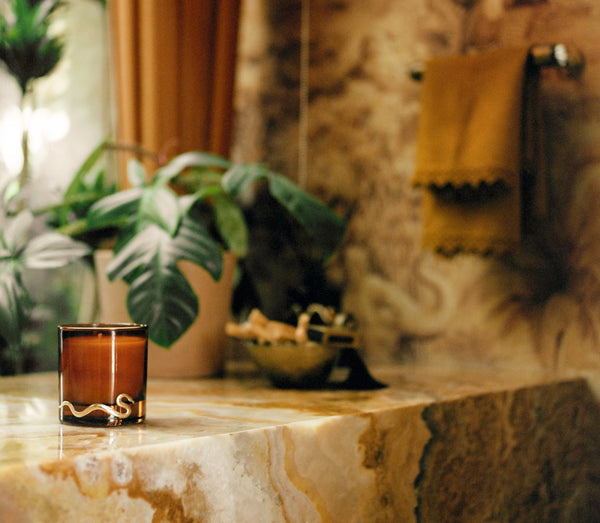
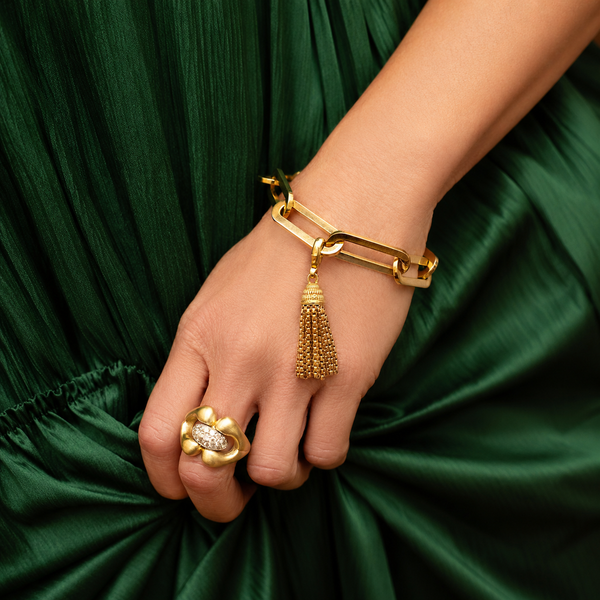
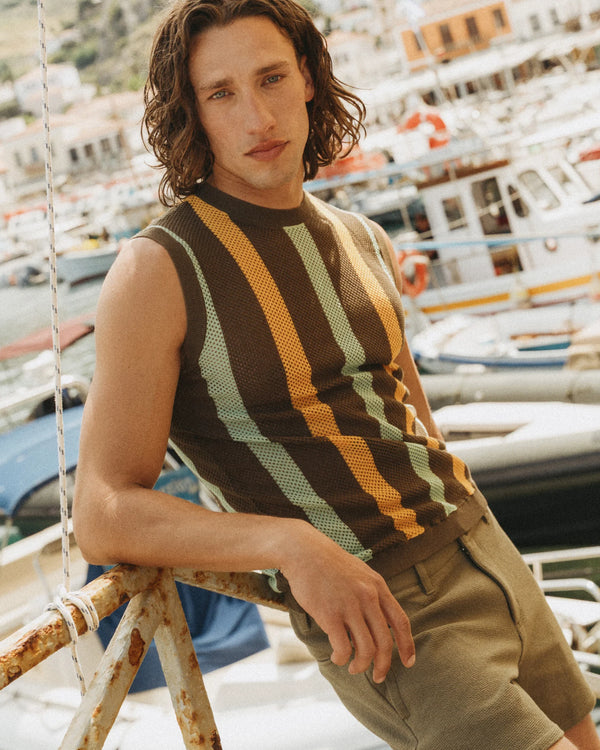
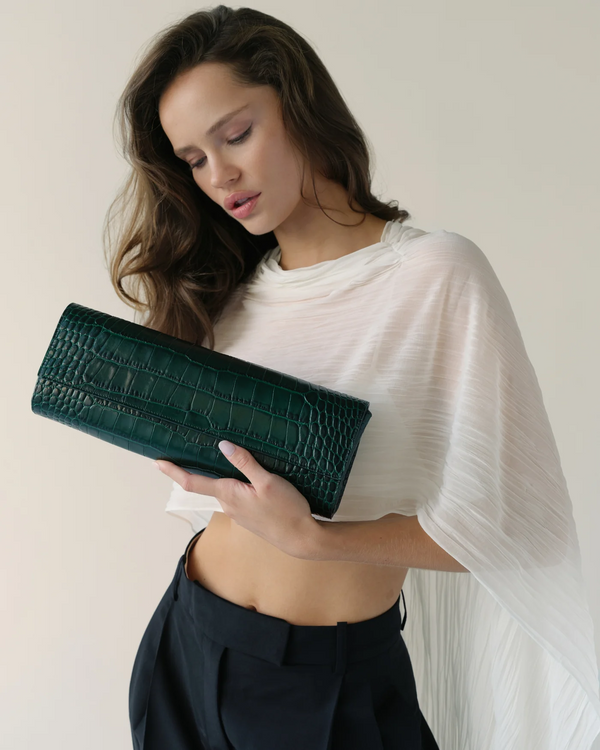
- Photography as the brand's language: a defined register — light, tone, crop — applied to work, space, and team alike, so every image is recognizably the house's. This is the system that makes Instagram, site, and interiors feel like one authored world.
- Voice: expert warmth — knowing without jargon, intimate without slang — written down and used everywhere from service menus to booking reminders.

Experience design: the brand is the visit
In services, the product is the experience, and luxury salon brands script it: arrival ritual (greeting, robe, refreshment — the first five minutes carry the positioning), consultation as ceremony (the expert listening that justifies the tier), sensory signature (scent, sound, the details clients mention), and departure choreography (rebooking offered gracefully, the product recommendation as care, the follow-up message). Staff embody it or it doesn't exist — brand training belongs beside technical training, and the standard survives only if someone owns it. Every scripted moment is also content: the experience, photographed to register, is the marketing.
The digital flagship
The website carries the world to everyone who hasn't visited: editorial design at the standard above, the portfolio and team presented like talent, the service menu written as an invitation, embedded booking without register-break, and the story — founder, philosophy, space — told properly. (The full site anatomy: our luxury salon website guide.) The same system extends to the touchpoints salons forget are branding: booking confirmations, reminder texts, gift cards, and the Google Business Profile — each either restates the world or leaks it.

From salon brand to beauty brand
The strongest salon brands are built extensible — because the industry's proven trajectory runs from chairs to products: retail curation first (the shelf as taste statement, run properly online via Shopify with POS-unified inventory), then house-branded essentials (candles, tools, the robe clients ask about), then — for the ambitious — the product line the salon's authority was always collateral for (the Ouai/R+Co lineage). Even salons that never launch a line benefit from building as if: the identity discipline, photography system, and owned audience (the Klaviyo list, not the algorithm) that extension would require are exactly what premium service pricing requires anyway. Build the brand bigger than the square footage.

Frequently asked questions
What makes a beauty salon brand feel luxury?
A one-sentence position, fashion-label identity discipline, a scripted client experience, and total consistency from website to reminder text — the world, held everywhere.
How should a luxury salon choose its positioning?
Pick a world — atelier, sanctuary, clubhouse, or specialist house — for a specific client, and commit every downstream choice (palette, ritual, pricing) to it.
Why does experience scripting matter for salon brands?
Because the visit is the product: arrival, consultation, sensory signature, and departure are where the premium is earned — and unscripted, the brand exists only in the logo.
Should salons build toward a product brand?
Build as if — the identity system, photography register, and owned audience that product extension requires are the same assets premium service pricing depends on, whether or not the line ever launches.
Exhibea builds luxury salon and beauty brands — positioning, identity systems, digital flagships, and the retail layer, designed to extend. Start a conversation.