Editors do not cover products. They cover points of view. A fashion brand that appeals to Vogue editors is not the one with the best fabric or the biggest launch budget — it is the one that gives an editor something to say: a distinct aesthetic argument, a founder with a story, imagery that can run on the page without apology, and a brand world coherent enough that covering it makes the editor look perceptive. This guide covers what that requires, drawn from the pattern of brands that earned early editorial attention — and from Exhibea's own experience being featured in Vogue.

Understand what an editor is actually buying
An editor's currency is taste. Every feature is a public bet that this brand matters, and editors protect that currency ruthlessly. So the question to design your brand around is not "how do we get covered?" but "what would an editor risk their taste on?" The answers are consistent across decades of fashion press:
- A recognizable point of view. Editors can describe a coverable brand in one sentence — Cult Gaia is wearable sculpture; Johanna Ortiz is Colombian craftsmanship and feminine drama; Reformation is sustainability with sex appeal. If your brand requires a paragraph, it isn't ready.
- A founder story with texture. Place, craft, lineage, a reason the brand had to exist. Editors write narratives, and the founder is usually the protagonist.
- Newness that fits a conversation. Editors cover brands that give them an angle on what fashion is talking about now — craft revival, a region's moment, a material innovation. Position your story inside a current conversation, not adjacent to it.
The imagery standard is non-negotiable
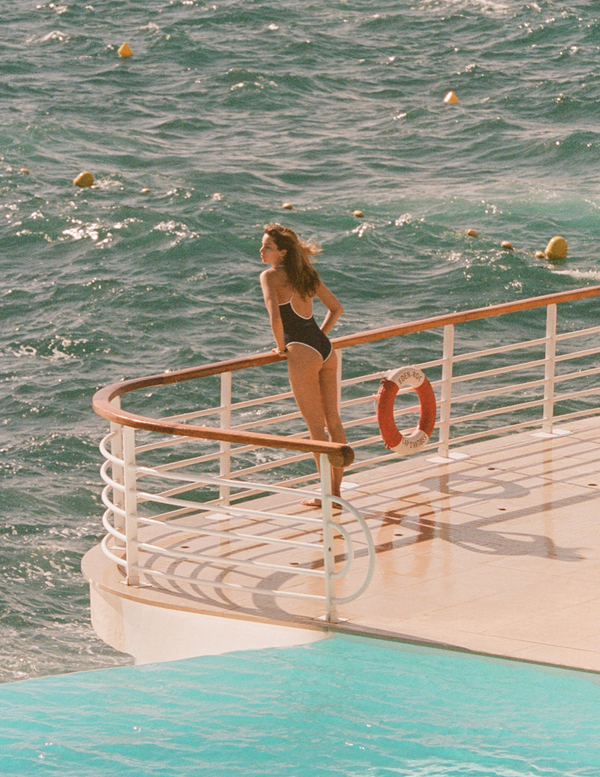
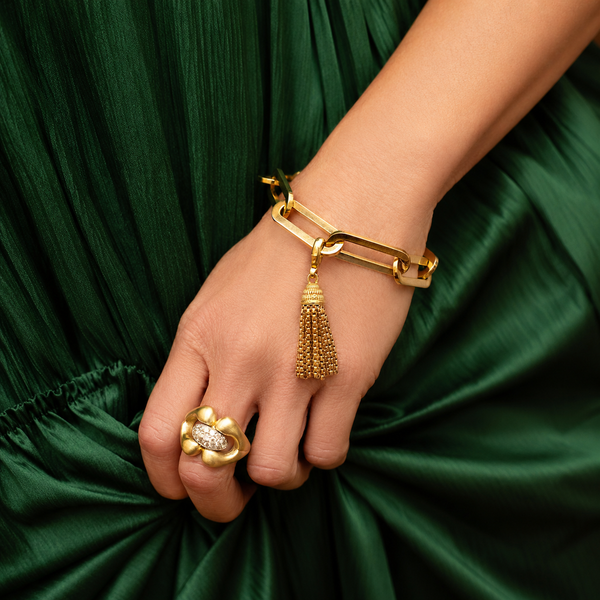
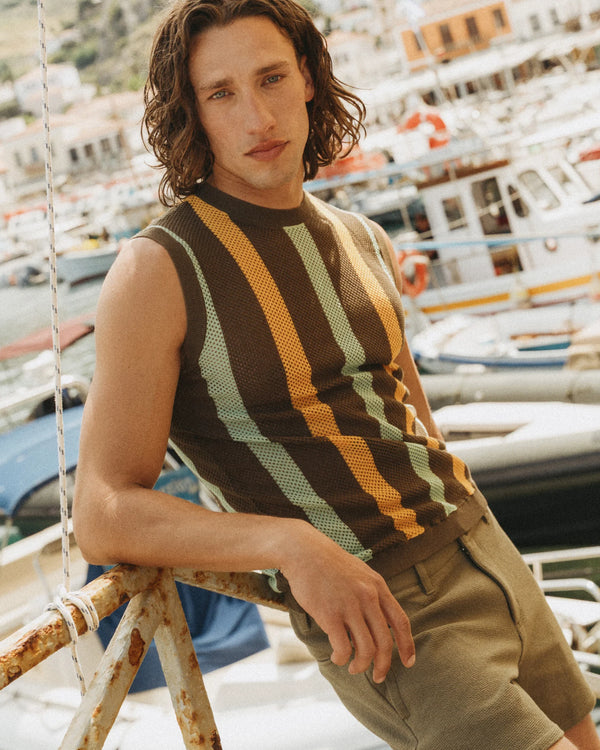
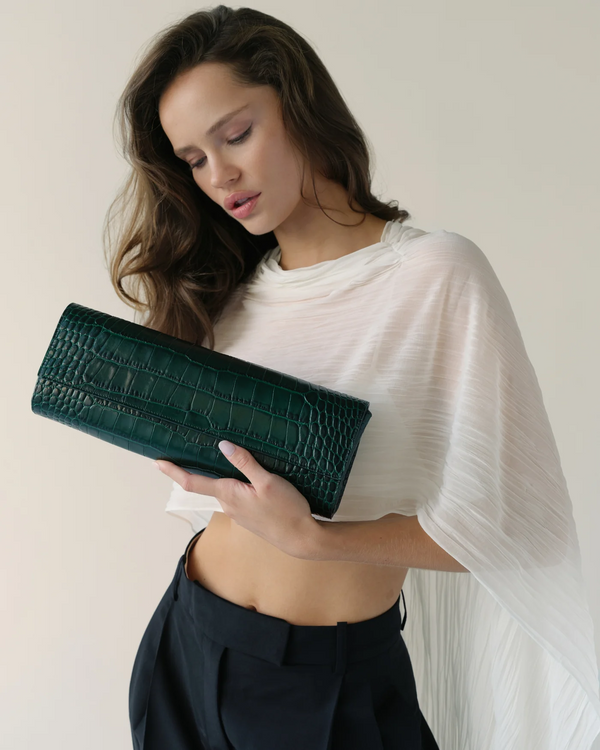
Editors decide in seconds, and they decide visually. The single most common reason a promising brand gets passed over is imagery that cannot run: inconsistent lighting, weak casting, e-commerce flatness where editorial life should be. The brands that broke through early — Cult Gaia, Khaite, Jacquemus — treated photography as the product from day one. Practical standard: every collection needs a campaign shoot that could sit beside a Saint Laurent ad without embarrassment, plus clean lookbook imagery on a consistent grid. This is where budget belongs before it belongs almost anywhere else.
Your website is the editor's first fact-check
The first thing an editor does after seeing your work is visit your site — and the site either confirms the brand's level or quietly kills the story. A template storefront with a discount pop-up tells the editor the imagery was a costume. The sites of editor-favorite brands share a standard: full-bleed campaign imagery, restrained typography, an About page that actually tells the founder story, a press page, and zero promotional clutter. The website is not a sales channel in this context; it is evidence. We cover the design standard in our luxury fashion branding and website design guide.
Make covering you easy
Editors work fast and understaffed. The brands that get covered remove friction:
- A real press kit: high-resolution campaign and product imagery (downloadable, organized, credited), a one-page brand story, founder bio and portrait, and line sheets. Hosted at a clean URL, not buried in an email chain.
- Samples that move. Editorial runs on sample trafficking. Be responsive, be organized, and never make a stylist chase a return label.
- A pitch that respects the format. Three sentences: what the brand is, why now, and the one detail that makes it a story. Editors do not read decks from unknown senders.
- The right doors. Market editors and freelance stylists before editors-in-chief. A brand's first Vogue appearance is usually a product placement in a market story or an editor's roundup — earned through relationships several rungs below the masthead.
The patience part nobody sells you
Editorial attention compounds slowly, then suddenly. The typical arc: stylist pulls lead to a market-story placement, placements lead to a "brands to watch" mention, mentions lead to the profile. Jacquemus spent years as a critics' curiosity before the mainstream press arrived; Khaite built quietly for several seasons before becoming the industry's consensus obsession. The brands that force the timeline — heavy paid placements dressed as editorial, aggressive gifting without a point of view — read as exactly what they are. Consistency across seasons is itself the credential: it proves the point of view was conviction, not costume.
What disqualifies a brand instantly
Worth stating plainly: visible discounting culture, incoherent product range ("we also make..."), imagery that changes style every season, an unfindable founder, and a website that undercuts the work. Editors forgive smallness — many prefer it. They do not forgive incoherence.
Frequently asked questions
How do small fashion brands get noticed by Vogue?
Through market editors and stylists, not the editor-in-chief. Consistent, editorial-grade imagery, a one-sentence point of view, an organized press kit, and responsive sample handling get a small brand into pulls and roundups — which is where coverage begins.
Do you need a publicist to get fashion press?
Not at first. A publicist accelerates relationships you could build slowly yourself. What no publicist can supply is the prerequisite: a coherent brand with imagery that can run. Fix that first; hire representation when sample demand outgrows your inbox.
How important is the website for press?
It is the editor's first fact-check. A site that contradicts the brand's claimed level — template design, promotional clutter — ends consideration quietly. The site should look like the press you want.
How long does it take to get editorial coverage?
Typically several consistent seasons from launch to first meaningful placements. The brands that appear to break overnight almost always spent two to four years building the point of view the press then "discovered."
Exhibea builds fashion brands to editorial standard — identity, imagery direction, and Shopify flagships. Featured in Vogue. Start a conversation.